Examine the Past · Curriculum and Learning Hub

History Hub

Explore an organized Grade 5–12 history and social studies curriculum, followed by specialized learning pathways. Each course opens an expandable unit map and individual lesson previews. All learning resources remain free.

8 grade-level courses7 extended and advanced pathways309 planned lesson slots
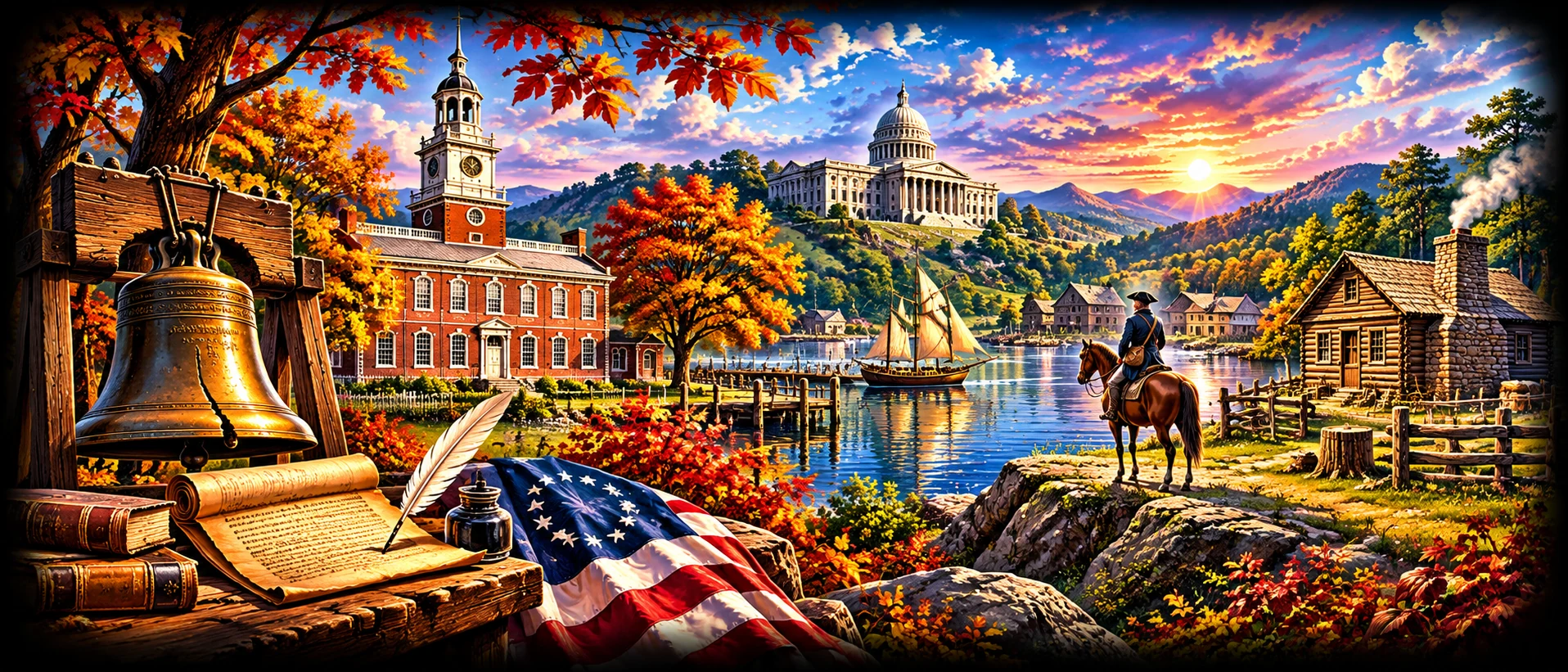
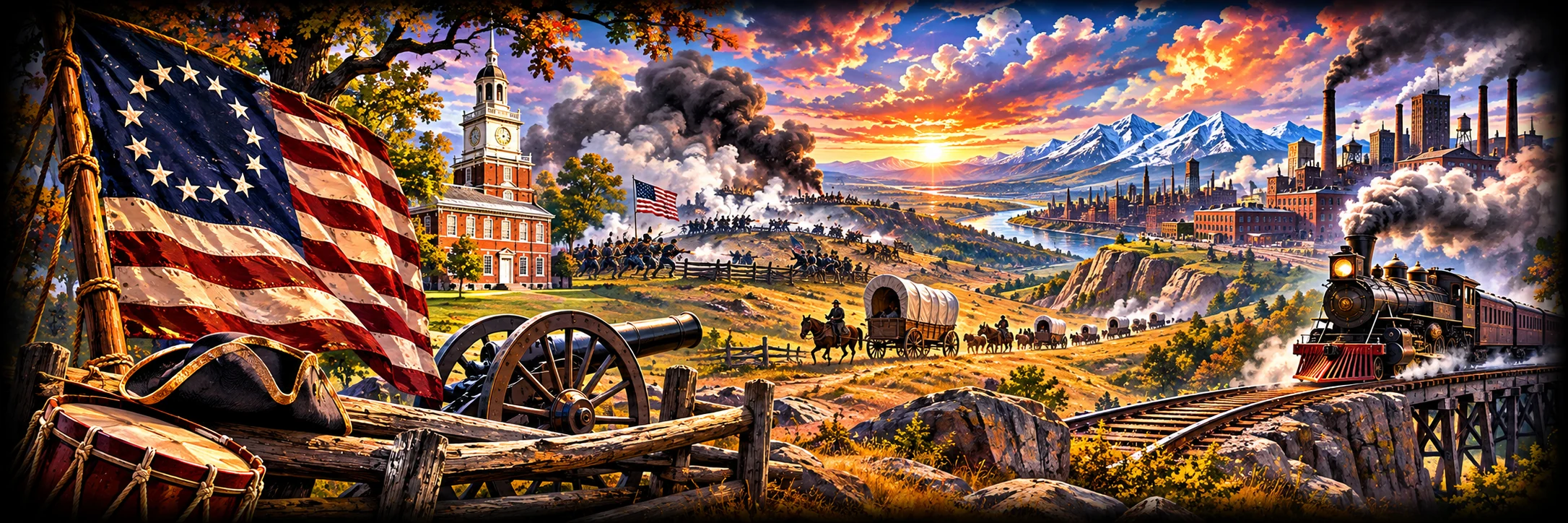
Illustrated panoramic banner for Early American History
GRADE 5

Early American History

Indigenous America to the Early Republic

Indigenous societies, Atlantic encounters, colonial America, independence and the early republic.

7 units / pathways

View Units
  • Indigenous North America — Indigenous societies, geography
  • Exploration and Encounters — European exploration, Indigenous encounters
  • Colonial America — Thirteen colonies, settlement
  • Imperial Conflict — French and Indian War, British policy
  • The American Revolution — Independence, revolutionary conflict
  • Creating a Republic — Articles of Confederation, Constitution
  • The Early Republic — Federalism, political parties
Explore Curriculum
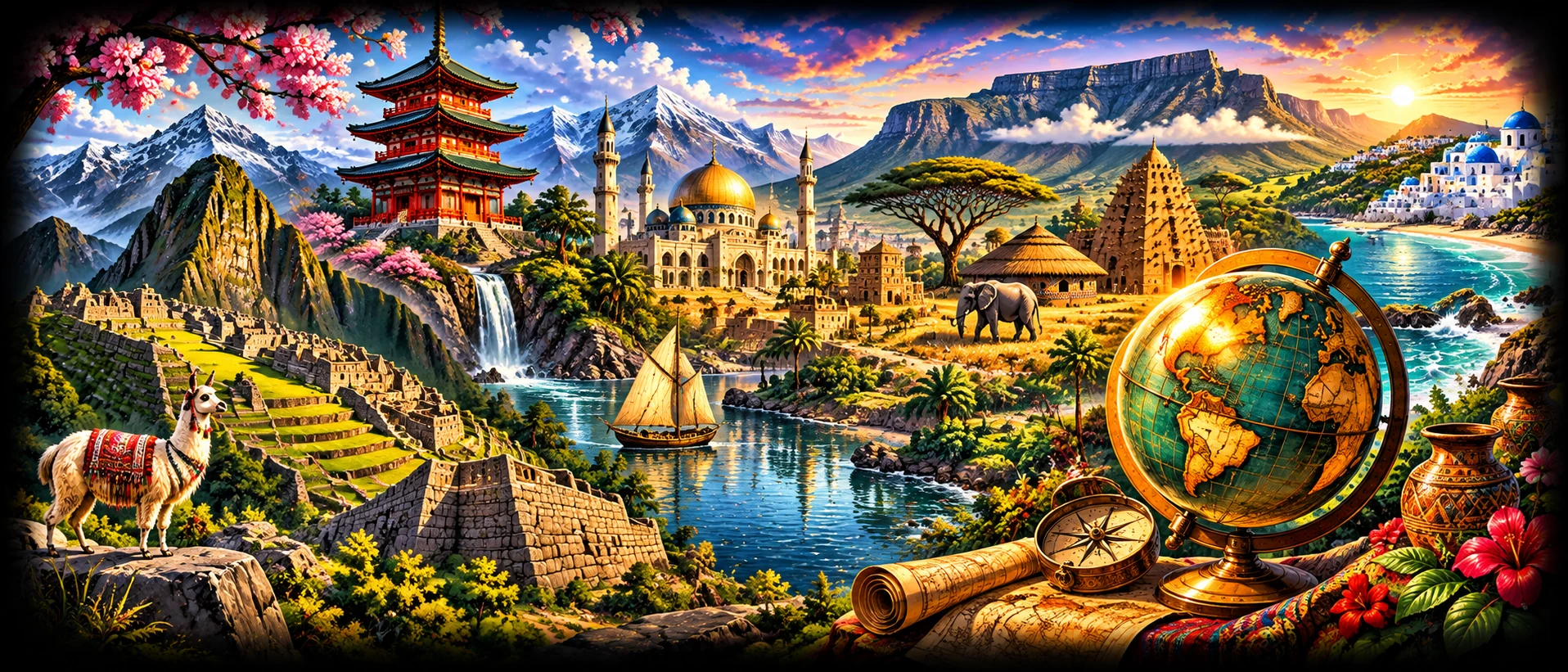
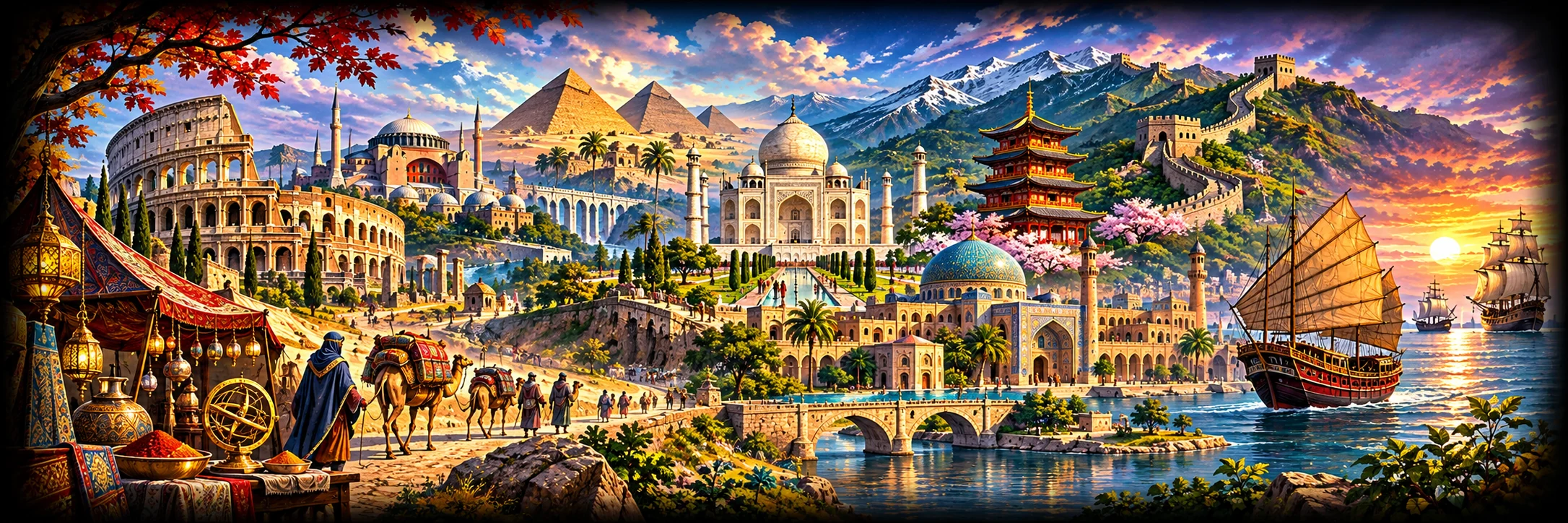
Illustrated panoramic banner for Ancient World History & Geography
GRADE 6

Ancient World History & Geography

Civilizations, Geography, and Human Development

Geography, early civilizations, governments, beliefs, trade and human environments.

6 units / pathways

View Units
  • Geography and Historical Investigation — Geography and Historical Investigation, Reading Maps Like a Historian
  • Origins of Civilizations — Origins of Civilizations, From Hunting and Gathering to Agriculture
  • River Valley Civilizations — River Valley Civilizations, Mesopotamia and the First Cities
  • Ancient Government and Culture — Ancient Government and Culture, Laws and Leadership in Ancient Societies
  • Trade, Migration, and Exchange — Trade, Migration, and Exchange, Ancient Trade Networks
  • People and Their Environments — People and Their Environments, Water and the Development of Civilizations
Explore Curriculum
Illustrated panoramic banner for World Cultures & Geography
GRADE 7

World Cultures & Geography

Societies, Regions, and Global Connections

World regions, migration, cultures, exchanges, governments and human-environment relations.

6 units / pathways

View Units
  • World Regions and Cultural Identity — World Regions and Cultural Identity, Understanding World Regions
  • Migration and Settlement — Migration and Settlement, Why Do People Migrate?
  • Trade Networks and Connections — Trade Networks and Connections, The Silk Roads and Global Connections
  • Government and Economic Systems — Government and Economic Systems, Comparing Political Systems
  • Culture, Religion, and Society — Culture, Religion, and Society, World Religions and Cultural Exchange
  • Human-Environment Relationships — Human-Environment Relationships, How Geography Shapes Daily Life
Explore Curriculum
Illustrated panoramic banner for Early United States History
GRADE 8

Early United States History

Colonial Foundations through Reconstruction

Revolution, Constitution, reform, slavery, the Civil War and Reconstruction.

8 units / pathways

View Units
  • Colonial Foundations — Colonial Foundations, British Colonial Development
  • Revolution and Independence — Revolution and Independence, The Road to Revolution
  • Constitution and Government — Constitution and Government, The Articles of Confederation
  • The Early Republic — The Early Republic, Washington's Presidency
  • Expansion and Reform — Expansion and Reform, Manifest Destiny and Territorial Expansion
  • Slavery and Sectional Conflict — Slavery and Sectional Conflict, The Expansion of Slavery
  • The Civil War — The Civil War, Secession and the Outbreak of War
  • Reconstruction — Reconstruction, Rebuilding the Nation
Explore Curriculum
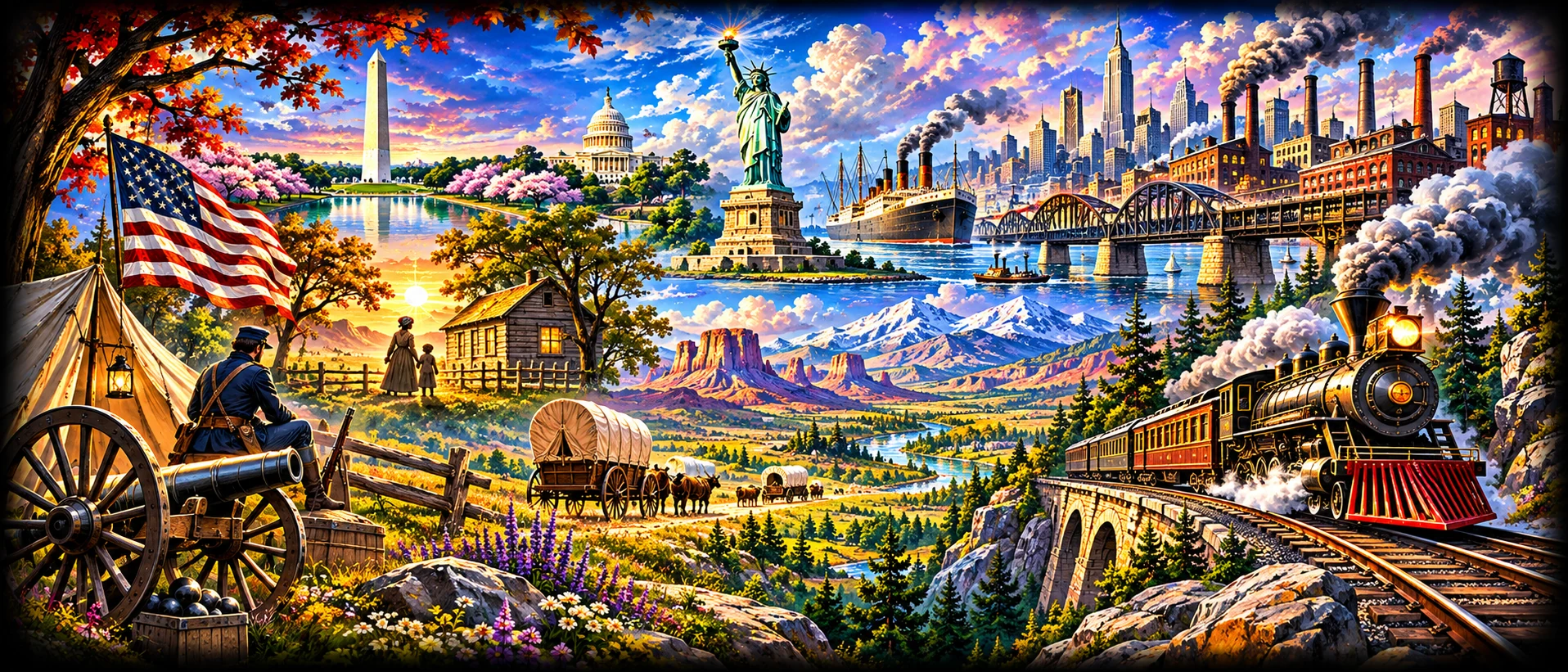
Illustrated panoramic banner for United States History
GRADE 9

United States History

1865 to the Present

Modern U.S. transformation through economic, political, social and international history.

11 units / pathways

View Units
  • Reconstruction and Industrial Growth — Reconstruction and Industrial Growth, Reconstruction's Unfinished Legacy
  • Progressivism and Reform — Progressivism and Reform, The Progressive Movement
  • Imperialism and Expansion — Imperialism and Expansion, Why Did America Become an Overseas Power?
  • World War I — World War I, Causes of World War I
  • The Roaring Twenties — The Roaring Twenties, A Changing American Culture
  • Great Depression and New Deal — Great Depression and New Deal, The Stock Market Crash and Economic Crisis
  • World War II — World War II, Causes of World War II
  • The Cold War — The Cold War, Origins of the Cold War
  • Civil Rights and Social Change — Civil Rights and Social Change, Segregation and the Fight for Equality
  • America in the Late Twentieth Century — America in the Late Twentieth Century, Watergate and Public Trust
  • The United States in the Twenty-First Century — The United States in the Twenty-First Century, September 11 and Its Consequences
Explore Curriculum
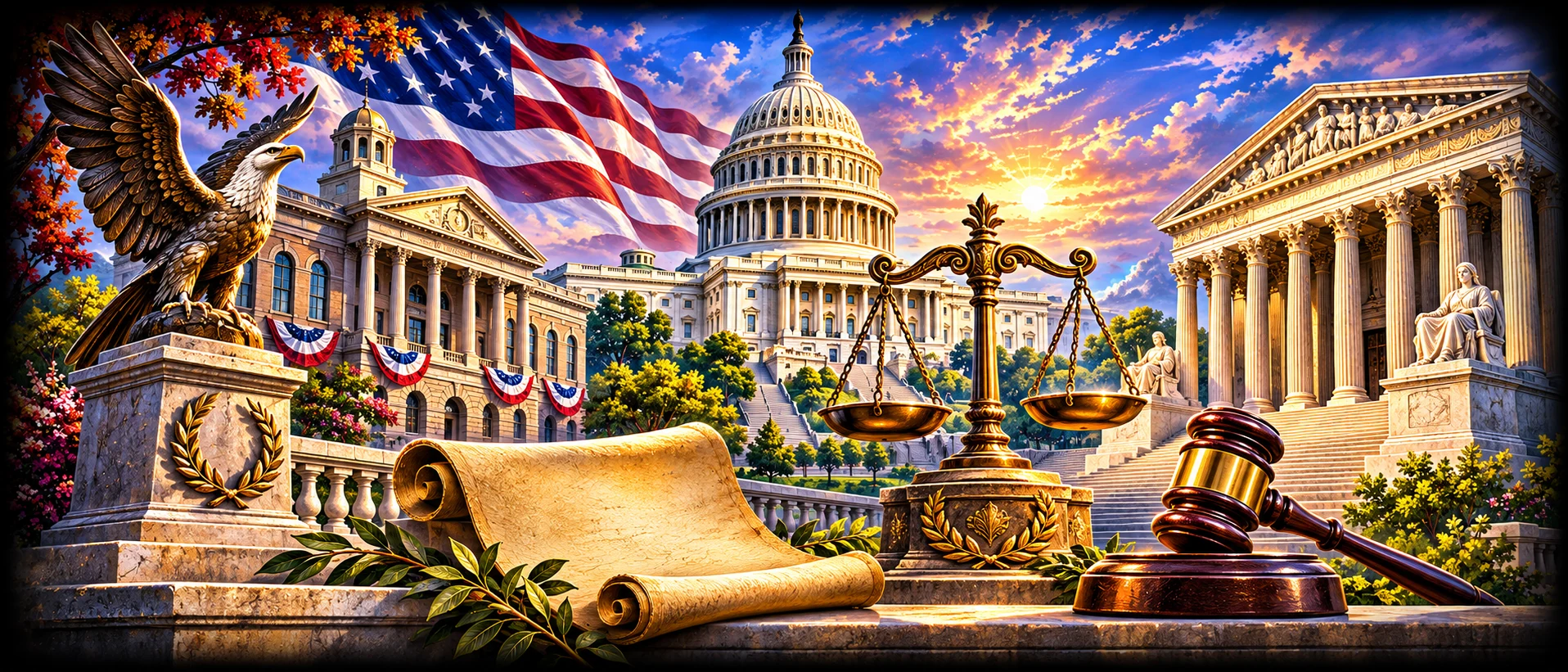
Illustrated panoramic banner for Civics & Government
GRADE 10

Civics & Government

American Democracy and Citizenship

Constitutional principles, branches of government, civil rights, elections and civic action.

9 units / pathways

View Units
  • Foundations of Democracy — Foundations of Democracy, Enlightenment Ideas and Natural Rights
  • The Constitution — The Constitution, The Constitutional Convention
  • The Legislative Branch — The Legislative Branch, How Congress Is Organized
  • The Executive Branch — The Executive Branch, The Powers of the President
  • The Judicial Branch — The Judicial Branch, Understanding the Federal Court System
  • Civil Rights and Liberties — Civil Rights and Liberties, The Bill of Rights
  • Elections and Political Participation — Elections and Political Participation, How American Elections Work
  • State and Local Government — State and Local Government, State Government and Federalism
  • Public Policy and Civic Action — Public Policy and Civic Action, How Public Policy Is Developed
Explore Curriculum
Illustrated panoramic banner for Modern World History
GRADE 11

Modern World History

Approximately 1300 to the Present

Global exchange, revolutions, imperialism, world wars, decolonization and interdependence.

11 units / pathways

View Units
  • Global Connections and Transformation — Global Connections and Transformation, The World Around 1300
  • Renaissance and Reformation — Renaissance and Reformation, Renaissance Humanism and Art
  • Exploration and Global Empires — Exploration and Global Empires, Maritime Exploration and Expansion
  • Scientific Revolution and Enlightenment — Scientific Revolution and Enlightenment, A New Scientific Worldview
  • Political Revolutions — Political Revolutions, The French Revolution
  • Industrial Revolution — Industrial Revolution, Why Industrialization Began
  • Imperialism and Resistance — Imperialism and Resistance, The New Imperialism
  • World War I — World War I, Causes of the First World War
  • Interwar Years and World War II — Interwar Years and World War II, Global Depression and Political Instability
  • Cold War and Decolonization — Cold War and Decolonization, The Cold War and Global Rivalries
  • The Contemporary World — The Contemporary World, Globalization and Interdependence
Explore Curriculum
Illustrated panoramic banner for Social Studies Electives
GRADE 12

Social Studies Electives

Advanced Historical and Social Inquiry

Five introductory elective pathways in historical inquiry and social studies.

5 units / pathways

View Units
  • Historical Research and Historiography — Historical Research and Historiography, What Do Historians Actually Do?
  • Economics and Society — Economics and Society, Scarcity, Choice, and Opportunity Cost
  • Comparative Government — Comparative Government, Democracy and Authoritarianism
  • Human Geography — Human Geography, Population and Migration Patterns
  • Social and Cultural History — Social and Cultural History, Understanding History Through Everyday Life
Explore Curriculum
Illustrated panoramic banner for Black History
EXTENDED

Black History

Africa, African America, and Historical Legacy

Two one-semester courses and the 141-figure Heroes lesson library.

3 units / pathways

View Units
  • African History — One-semester introductory course
  • African American History — One-semester introductory course
  • Black History Heroes Lessons — 141 illustrated historical-figure learning experiences
Explore Curriculum
Illustrated panoramic banner for United States Presidents
EXTENDED

United States Presidents

Presidential Leadership and American Democracy

Presidential leadership, constitutional decisions, power and historical interpretation.

4 units / pathways

View Units
  • Origins of the Presidency — Origins of the Presidency, Why Did the Framers Create a President?
  • Leadership and National Crisis — Leadership and National Crisis, Abraham Lincoln and the Civil War
  • The Modern Presidency — The Modern Presidency, Theodore Roosevelt and Progressive Reform
  • Comparing Presidents — Comparing Presidents, How Should Historians Evaluate Presidents?
Explore Curriculum
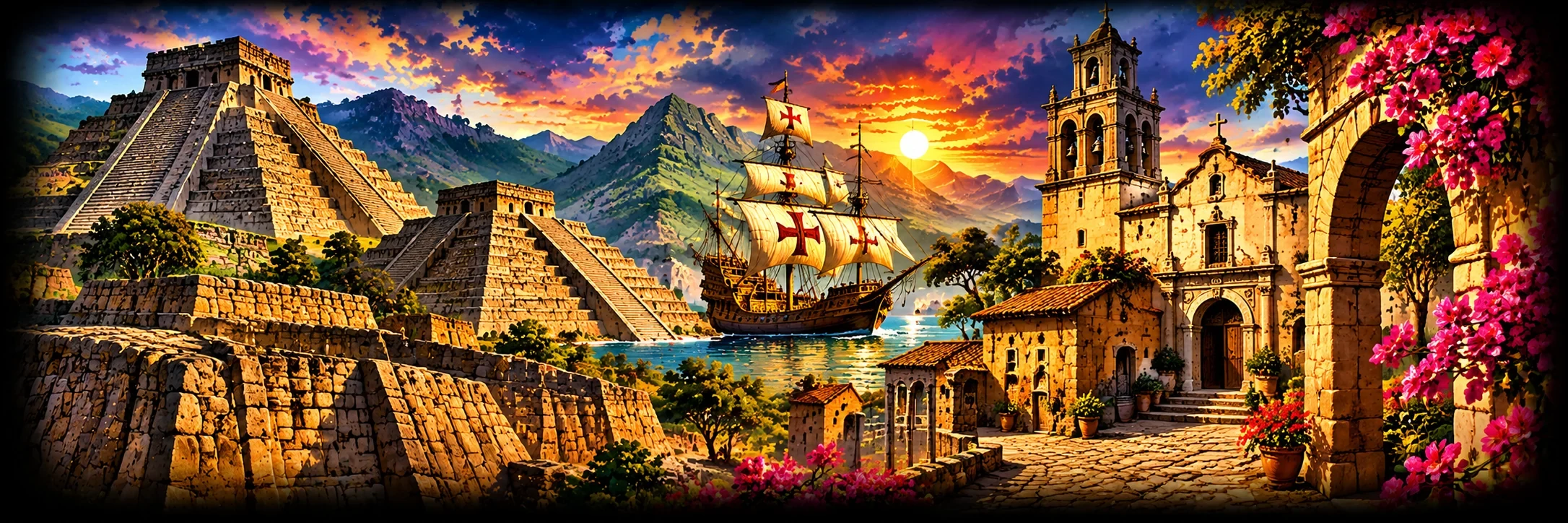
Panoramic illustration for Hispanic American History
EXTENDED

Hispanic American History

Heritage, Migration, Identity, and Influence

Hispanic and Latino histories, migration, civil rights, culture and public life.

4 units / pathways

View Units
  • Spanish Colonial America and Early Hispanic Communities — Spanish Colonial America and Early Hispanic Communities, Indigenous Civilizations and Spanish Colonization
  • Expansion, Migration, and Citizenship — Expansion, Migration, and Citizenship, The Mexican-American War and Treaty of Guadalupe Hidalgo
  • Rights, Leadership, and Cultural Influence — Rights, Leadership, and Cultural Influence, César Chávez, Dolores Huerta, and Farmworker Organizing
  • Contemporary Hispanic American Experiences — Contemporary Hispanic American Experiences, Hispanic Communities and American Demographic Change
Explore Curriculum
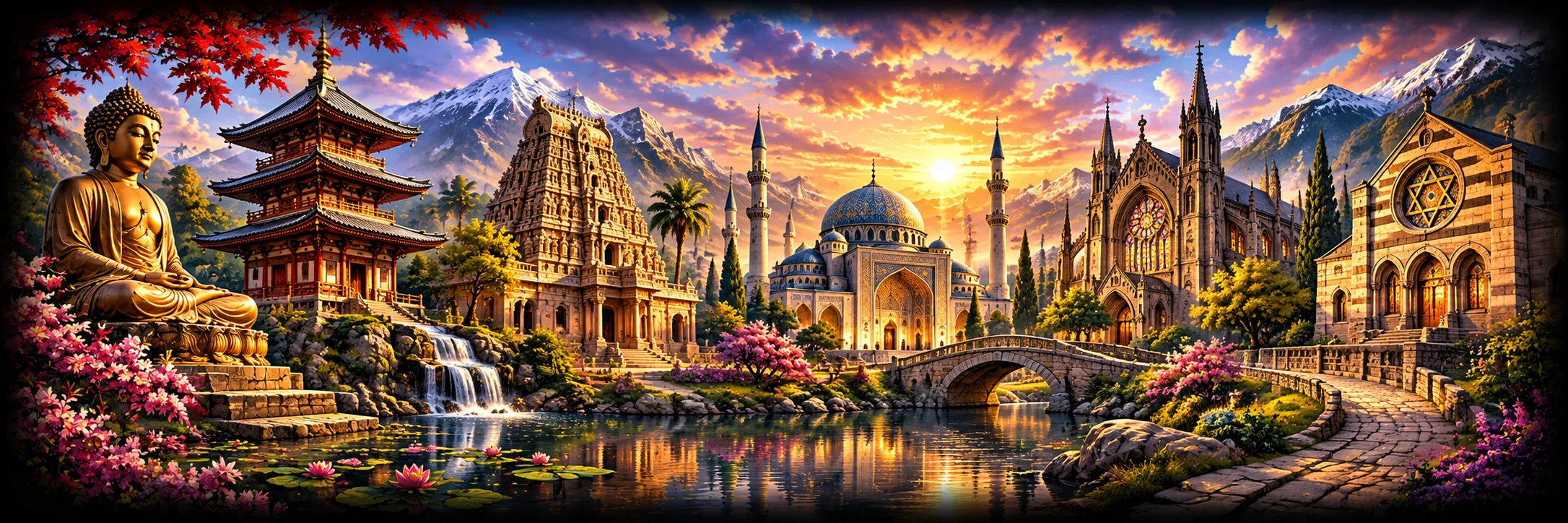
Panoramic illustration for World Religions
EXTENDED

World Religions

Belief, Society, and Historical Exchange

History of belief, culture and exchange.

3 units · 12 planned lessons

View Units
  • Comparative Historical Study
  • Belief Across Regions
  • Religion and History
Explore Curriculum
Panoramic illustration for AP U.S. History
ADVANCED

AP U.S. History

Advanced U.S. Historical Inquiry

Independent advanced historical inquiry.

3 units · 12 planned lessons

View Units
  • Foundations and the Republic
  • Transformation and Conflict
  • The Modern United States
Explore Curriculum
Panoramic illustration for AP World History
ADVANCED

AP World History

Advanced Global Inquiry

Independent advanced world-history inquiry.

3 units · 12 planned lessons

View Units
  • Networks and Regions
  • Global Transformation
  • The Modern World
Explore Curriculum
Panoramic illustration for AP Government & Politics
ADVANCED

AP Government & Politics

Advanced Civic Inquiry

Independent advanced civics inquiry.

3 units · 12 planned lessons

View Units
  • Constitutional Principles
  • Institutions
  • Civic Participation
Explore Curriculum
Instructional Design Portfolio

Designed for Historical Inquiry and Meaningful Learning

Curriculum maps progress from essential questions and observable learning objectives through sourced historical investigation, supported practice, evidence-based assessment, feedback, differentiation and reflection. Unit and lesson previews reveal the planned structure while completed resources remain available through their original links.

Backward design and standards awarenessHistorical thinking and disciplinary literacyPrimary/secondary source interpretationBloom’s revised taxonomy and varied inquiryUDL access and differentiated tasksFormative checks, performance tasks, feedback

Original educator-developed materials; not represented as an external school district curriculum or an authorized AP course.

Review Curriculum Design Example

How We Design Curriculum

Examine the Past is independently organized by educators around essential questions, historical investigation, source evidence, applied learning and assessment. Historical themes are common across education; our instructional scope, learning sequences and experiences are designed for this site.

Curriculum Design Overview

Learning progresses from accessible historical foundations into comparative analysis, interpretation and evidence-based argument. Our advanced study pathways are independent educational plans and are not AP-authorized courses.